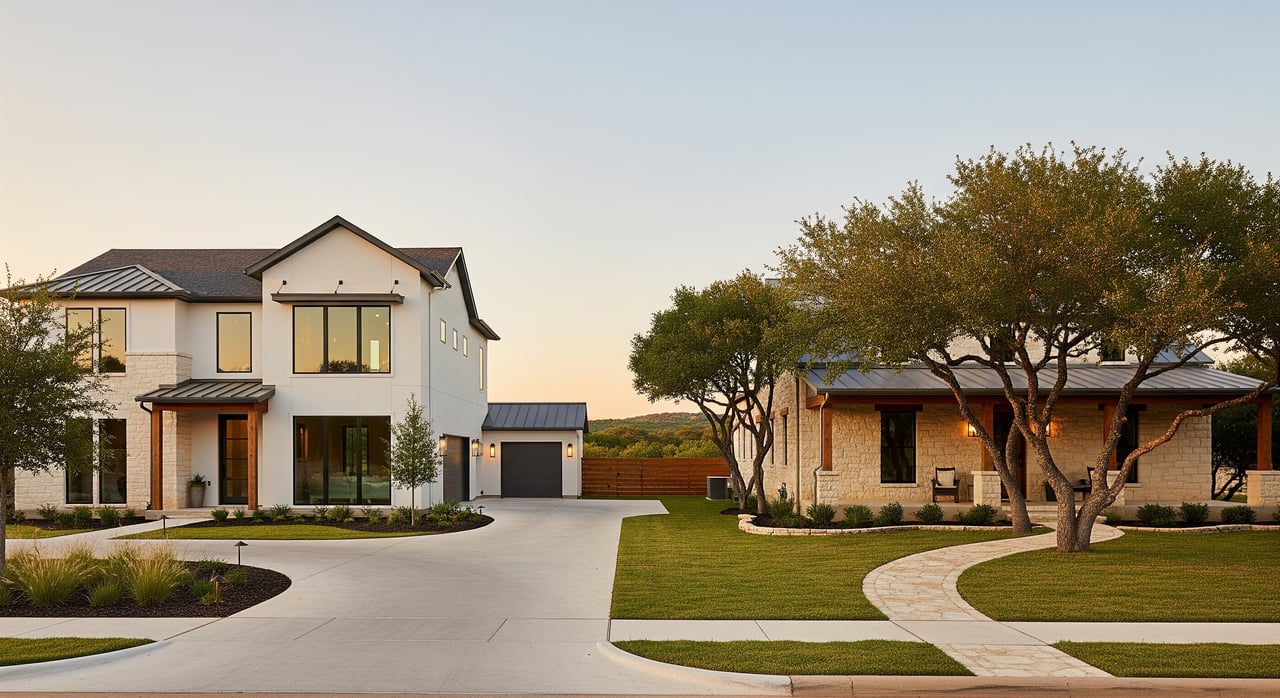
Trying to decide between a brand-new build and a lived-in resale in Meadows at Buda? You are not alone. In Buda’s fast-growing corridor, both options can be smart, but each comes with different timelines, costs, and moving parts. In this guide, you will see what to expect in Meadows at Buda and nearby neighborhoods, how incentives and inspections really work, and the key questions to ask before you commit. Let’s dive in.
Meadows at Buda in context
Buda and Hays County sit in a high-growth path of the Austin metro. That growth fuels both ongoing new-home construction and a steady resale market. In and around Meadows at Buda, you will likely see model homes, quick-move-in specs, and active resale listings nearby.
Local details matter. Property taxes combine several entities, which can include Hays County, the City of Buda, the local school district, and sometimes special districts. Many new communities use Municipal Utility Districts or Public Improvement Districts that add assessments to your bill, so verify the lot’s MUD or PID status before you write an offer. Central Texas soils can be expansive clay, so foundation practices and drainage deserve extra attention whether you buy new or resale.
New construction vs resale: side-by-side
Incentives and pricing
- New construction: Builders often offer closing cost help, temporary mortgage rate buydowns, option package discounts, or lot premium waivers, especially on quick-move-in homes. Incentives are sometimes tied to a preferred lender. Ask for a full purchase worksheet that breaks out base price, upgrades, lot premium, and any community assessments so you can see your true total.
- Resale: Sellers may offer price reductions, repair credits, or flexible closing dates, but financing incentives are rare. Your price is driven by comparables, condition, and days on market. Negotiation leverage shifts with inventory and demand.
Timelines and speed
- New construction: Expect a contract, lot selection, and then build milestones. If you buy a home that has not started, plan for several months of construction. Quick-move-in specs can close much faster. Weather, permits, and supply chain can cause delays, and builder contracts usually include delay clauses.
- Resale: Once you are under contract, most financed buyers close in about one to one and a half months, with a 7 to 14 day inspection period up front. If the home is vacant and you are ready, move-in can be very predictable.
Warranties and protections
- New construction: Many builders follow a “1-2-10” style approach that covers workmanship in the first year, major systems for two years, and structural items for a longer period through a builder or third-party program. Coverage starts at closing and requires you to follow the written claim process. Cosmetic issues and normal settling are usually excluded.
- Resale: You do not get an automatic builder warranty. Appliance or HVAC warranties may transfer, and you can purchase a third-party home warranty for limited coverage. Inspection repairs are typically one-time remedies negotiated in the contract.
Taxes, MUDs, and HOAs
- Property taxes: In Texas, property taxes are a major ongoing cost that come from multiple jurisdictions. Review the property’s history and your exemptions with the local appraisal district.
- MUDs and PIDs: Many new subdivisions use these districts to finance infrastructure. They show up as additional assessments, which can materially change your annual cost. Confirm whether the lot is inside a MUD or PID and whether bonds are outstanding.
- HOAs: Newer communities commonly start with developer-controlled HOAs. Dues, design rules, and fees vary, and they can change as the HOA transitions to homeowner control. Review current dues, what they include, and whether special assessments are planned.
Inspections and quality
- New construction: Independent inspections are worth it. Common items include punch list finishes, HVAC balancing, drainage grading, and occasional code misses. Ask for a pre-drywall inspection, rough-in checks, and a final inspection before closing. Document your orientation punch list and get target dates for completion in writing.
- Resale: Condition depends on age and maintenance. Inspections often flag roof wear, plumbing or electrical issues, HVAC lifespan, moisture, and signs of foundation movement. Many buyers add specialty inspections such as pest, roof, or foundation follow-ups.
Energy and maintenance
- New construction: New homes are built to current codes and typically have better insulation, windows, and HVAC efficiency, along with new appliances. Verify actual features like insulation R-values, HVAC ratings, and water heater type rather than relying on marketing.
- Resale: Older homes may need efficiency updates over time, but can offer durable materials and mature landscaping. Plan for eventual system replacements in your long-term budget.
Resale value and appreciation
- New construction: You get modern plans and low initial maintenance, which appeal to many buyers later. Be mindful that custom upgrades do not always return dollar-for-dollar on resale, and early phases of a new community may feel less established.
- Resale: Established neighborhoods often have clearer comparable sales and mature trees and landscaping. Deferred maintenance can hurt net proceeds if not addressed before resale.
Where you will shop
Meadows at Buda
Expect a newer subdivision profile with single-family homes, model showrooms, and possible quick-move-in inventory. Ask whether there is a MUD or PID, confirm current HOA dues and who controls the HOA, and review the builder’s warranty document. If buying new, request a complete price worksheet and ask about any current incentive packages.
Plum Creek
This master-planned area has long-established sections with mature amenities and primarily resale options, with occasional new pockets. Expect clearer comparables and potential differences in tax structure across phases. Verify any special district details by section.
Old Town and Downtown Buda
Here you will find older homes, walkable proximity to local businesses, and more variability in condition. Inventory is mostly resale, and homes can offer character and location benefits. Factor in the age of systems during inspection and budgeting.
Step-by-step: new construction
- Research and pre-approval
- Check builder reputation and ask to see completed homes in the area.
- Review the written warranty and sample contract, and confirm MUD or PID status.
- Get pre-approved so you can compare the builder’s preferred lender with outside options.
- Contract and selections
- Sign a purchase agreement that lists base price, upgrades, lot premium, and allowances.
- Confirm the projected build schedule and how changes are handled.
- Construction phase
- Schedule a pre-drywall inspection and consider rough-in checks for HVAC, plumbing, and electrical.
- Keep all change orders, updates, and allowances documented.
- Final steps
- Do a detailed orientation and punch list walkthrough.
- Confirm the warranty start date and claim procedures.
- Verify final costs and HOA documents before closing.
- Post-closing
- Track any 30, 60, or 180 day warranty touchpoints.
- Submit punch list items through the builder’s process and keep written records.
Step-by-step: resale purchase
- Research and pre-approval
- Review comparable sales and neighborhood trends. Confirm current school assignments through official district tools if that matters to your decision.
- Get pre-approved to strengthen your offer.
- Offer and inspections
- Once under contract, schedule your general inspection quickly. Many buyers add pest, roof, or foundation inspections based on the home’s age and findings.
- Negotiate repairs or credits based on the report and contractor estimates.
- Appraisal and closing
- Cooperate with your lender on appraisal and underwriting. If the appraisal is low, prepare to renegotiate or adjust cash to close.
- Post-closing
- Handle immediate maintenance, transfer utilities, and register any transferable warranties.
Decision framework: find your fit
Ask yourself these questions before you choose a path:
- Timeline: Do you need to move soon, or can you wait for a build?
- Control vs certainty: Do you want to select finishes and get a warranty, or do you prefer an established area and faster possession?
- Budget predictability: Are you comfortable managing upgrade costs on a new home, or do you prefer one negotiated price on a resale?
- Long-term costs: How sensitive are you to taxes, MUD or PID assessments, and HOA dues?
- Maintenance appetite: Do you want low maintenance at move-in, or are you open to updates in exchange for potential savings on purchase price?
- Future resale: Which option will appeal most to the likely future buyer pool in this area?
Touring checklists
New build questions to ask on site
- How long has the builder operated in this community, and can you tour completed homes nearby?
- Can you see the full written warranty, claim process, and typical response time?
- What is included in the base price, and what counts as an upgrade? Ask for a detailed price breakdown.
- Is the lot subject to a MUD or PID, and are there easements or drainage features nearby?
- What is the projected start and completion date, and how are delays handled in the contract?
- What are current HOA dues, what do they include, and when will control transfer from the developer?
- Can you schedule independent pre-drywall and final inspections?
Resale questions to ask during showings
- What year was the home built, and what are the ages of the roof, HVAC, and water heater?
- Have permits been pulled for renovations or additions, and are documents available?
- Any history of foundation work or drainage concerns? What does grading look like around the home?
- What are the current property taxes and any known assessments or liens?
- Are there HOA rules, planned assessments, or pending litigation that could affect ownership costs?
Red flags for both paths
- No clear written warranty or a vague warranty claim process on a new build.
- Unusually low price with limited disclosures on a resale.
- Missing or incomplete paperwork on permits, grading, CC&Rs, or community assessments.
- Visible large cracks or signs of poor drainage around the foundation.
- Pressure to use a preferred lender without a clear cost comparison.
Your next step in Meadows at Buda
Both paths can be the right choice. If you value brand-new systems, energy efficiency, and the ability to pick finishes, a new build can be a great fit. If you want a faster move-in, mature surroundings, and clearer comparable sales, a resale may suit you better. The key is verifying MUD or PID status, HOA details, warranty terms, and inspection findings before you commit.
If you would like a local guide to walk you through homes, builder contracts, and the inspection process, reach out to Chelsea Gutierrez. You will get step-by-step help and straight answers tailored to Meadows at Buda and nearby Buda neighborhoods.
FAQs
What are MUDs and PIDs in Buda, and why do they matter?
- They are special districts that can add assessments to your tax bill to fund infrastructure, so confirm a property’s status because it affects your total annual housing cost.
Do I need an independent inspection for a new build in Meadows at Buda?
- Yes, it is recommended to hire an independent inspector for pre-drywall and final inspections to catch issues with drainage, systems, or finishes before you close.
How long does a new construction build take compared to a resale closing?
- Quick-move-in specs can close relatively fast, but a from-scratch build often takes several months; most resale purchases with financing close in about one to one and a half months.
Are HOAs common in Meadows at Buda, and what should I review?
- Many newer neighborhoods have HOAs, often developer-controlled at first; review dues, rules, what is included, and any planned assessments or control transfer timelines.
What should first-time buyers budget for beyond purchase price in Buda?
- Plan for closing costs, inspections, appraisal, any HOA or community transfer fees, and initial maintenance or punch list items, even on new homes.
Can I use my own lender and inspector with a builder in Buda?
- Builders may offer incentives for preferred lenders, but you can compare outside lenders; you can also hire your own independent inspector, which is recommended.
