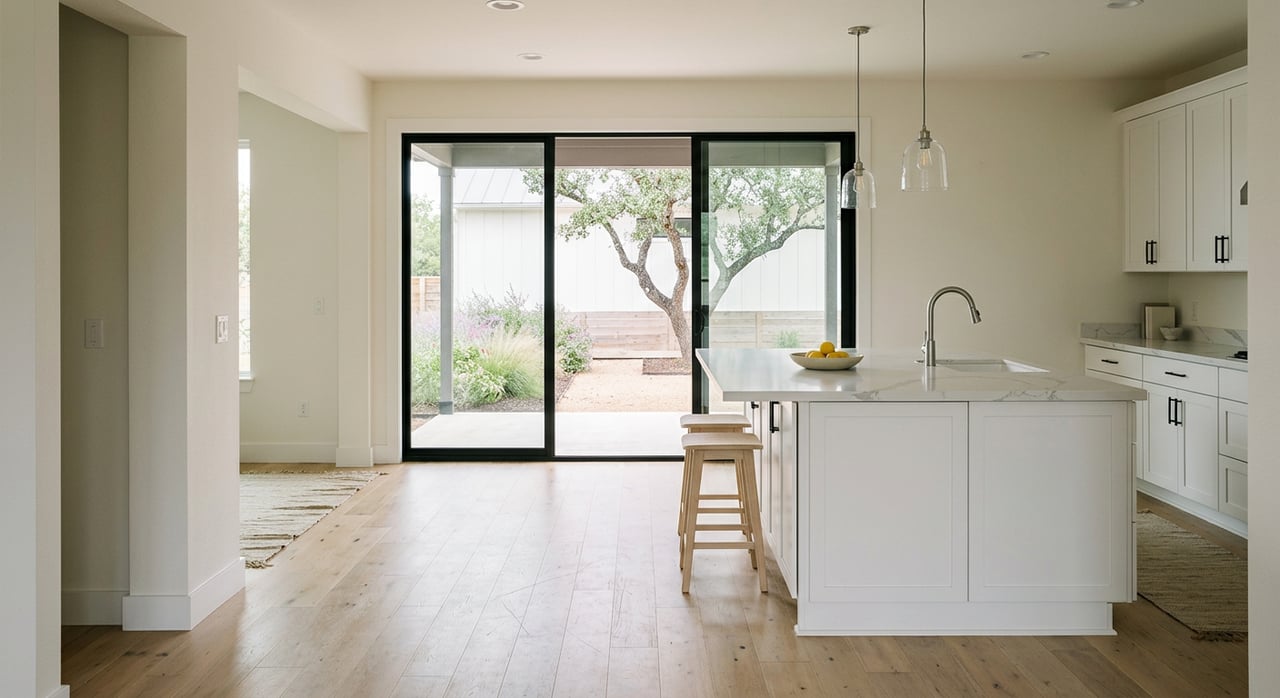
Thinking about a brand-new home in Kyle but not sure where to start? You want the right builder, a floorplan that fits your life, and a clear path from contract to move-in without surprises. In this guide, you’ll learn who is building in Kyle, what floorplans and lot sizes to expect, how new-build contracts and warranties work in Texas, realistic timelines and upgrade costs, and the local projects shaping long-term value. Let’s dive in.
Why consider new construction in Kyle
Kyle is growing fast within the Austin metro, and that growth brings more choice. Master-planned communities like 6 Creeks and Plum Creek offer new homes, amenities, and fresh retail on the way. East of I-35, the 100-acre Kyle Park mixed-use project is adding major retailers, restaurants, and new housing options, which can change how you shop and commute over time. You can learn more about Kyle Park’s scale and anchors in recent local reporting on the project’s groundbreaking.
- See the active builder mix at 6 Creeks. Explore the 6 Creeks builders list.
- Compare with an established master plan nearby. See current phases at Lennar’s Plum Creek North.
- Track east-side retail momentum. Read about the Kyle Park groundbreaking.
Who is building and what they offer
You’ll see well-known national builders in Kyle, especially inside 6 Creeks. Collections usually sort by lot width, which shapes both your floorplan choices and pricing. Common offerings include 45-, 50-, 55-, and 60-foot lots, with occasional 70-foot options in select phases. If you want more space and higher-end finishes, a new luxury community nearby illustrates what the top of the market looks like.
- Mainstream collections: Builders in 6 Creeks offer a wide range of plans and finishes. Check the active builders.
- Entry-friendly sizes: Many inventory plans in Kyle run about 1,100 to 1,600 square feet with 2 to 3 bedrooms. You can see examples in current Plum Creek North releases. View Plum Creek North plans and inventory.
- Family move-up sizes: Popular plans often range from about 1,700 to 3,000+ square feet on 45- to 70-foot lots. Browse 6 Creeks builder collections.
- Luxury benchmark: Toll Brothers announced a high-end community at Clara Vista/Waterridge with 80- and 100-foot lots and plans roughly 3,150 to 5,900+ square feet, with prices starting in the mid-$800Ks. See the Toll Brothers announcement.
Typical price bands
Pricing shifts by builder, lot width, plan, and included features. In Kyle’s master-planned areas, some inventory collections have started in the low-to-mid $200Ks up through the $400Ks. Larger 50- to 70-foot products often start in the mid-$400Ks and move up from there. Luxury offerings start well above that. Always confirm current pricing on live community pages like Plum Creek North and request today’s lot premiums and included features from each builder.
Community comparisons in Kyle
- 6 Creeks: Newer phases, multiple builders, and a broad spread of lot widths. It is a good fit if you want a newer streetscape and amenities tied to a master plan. See the community’s builder lineup.
- Plum Creek and Plum Creek North: An established master plan with new product phases rolling out. You get more mature surroundings and long-running community identity, paired with a steady flow of fresh homes. Check active releases at Plum Creek North.
- East Kyle near I-35: Retail is growing. The Kyle Park project adds new shopping and dining that can improve day-to-day convenience once fully delivered. Read background on Kyle Park.
Contracts and builder paperwork
New construction uses different paperwork than a typical resale. The Texas Real Estate Commission publishes the New Home Contract forms for completed and incomplete construction, along with the standard resale contract. Buyers should know that many production builders use their own custom contracts that set construction milestones, change-order rules, allowances, and deadlines.
- Review the state-published forms for context. See TREC contract forms.
- Expect a Chapter 27 notice. Texas law requires a notice in many new-home contracts that explains the process for handling construction-defect claims. It covers notice and an opportunity to repair before filing suit. Read the Chapter 27 statute overview.
Tip: Have your agent or an attorney review the builder’s contract before you sign. Ask about how change orders are approved, deposit handling, and what happens if timelines shift.
Warranties you can expect
Most national builders follow a “1-2-10” warranty framework. That usually means 1 year for workmanship and materials, 2 years for mechanical systems, and 10 years for major structural defects. Exact coverage, exclusions, and claim steps vary by builder and whether the warranty is administered in-house or by a third party.
- Learn how 1-2-10 works. See the 1-2-10 warranty overview.
Smart moves:
- Get the builder’s warranty booklet at contract signing and read the claim process.
- Register appliance and manufacturer warranties as required.
- Schedule an independent 11-month inspection before the 1-year workmanship window closes.
Timeline and financing basics
If you are building to order, the typical timeline from contract to close runs about 6 to 12 months. That depends on permits, weather, lot readiness, builder backlog, and your chosen options. Quick-move-in or spec homes can close in 30 to 90 days if they are near completion.
- See a practical build timeline overview. Read a step-by-step new construction process guide.
Financing often includes builder incentives like rate buydowns or closing cost help. These can be tied to using the preferred lender and may hinge on when your home is scheduled to finish. Compare the builder’s offer with quotes from independent lenders. Also ask about rate-lock options that can carry you through construction. Expect your earnest deposit to remain in place for the full build timeline.
Upgrades and budgeting smart
Upgrades add up fast. Minor finish tweaks can cost hundreds to low thousands. Mid-level kitchen or bath packages often run several thousand to tens of thousands. Structural options and lot premiums can add 10,000 to 50,000 or more.
How to stay in control:
- Request a line-item price sheet before your design appointment.
- Ask when option pricing is finalized and whether any fees are nonrefundable.
- Clarify change-order rules, payment timing, and how cancellations work.
- Build a contingency into your budget. This step-by-step process guide explains why timing and financing plans matter for options.
Inspections and quality checks
Even with a new build, independent inspections are worth it. Experienced new-construction inspectors know how to catch small issues before they become big headaches.
Recommended checkpoints:
- Pre-pour or site inspection if you are building from slab.
- Pre-drywall to review framing and rough-ins.
- Mechanical, roof, and insulation checks as systems go in.
- Final walk with a detailed blue-tape punch list.
- An 11-month walkthrough to capture items before the workmanship period ends.
- See what a phased inspection service includes. Review common new-build inspection stages.
Document all findings with dates, photos, and written requests. Follow the builder’s warranty portal or service process. Texas law sets out notice and opportunity-to-repair steps, so clear documentation helps if you need to escalate later. Read the Chapter 27 overview.
Local factors that shape value
- Retail and amenities: Kyle Park’s 100-acre mixed-use plan near I-35 will add major shopping and dining, which can boost everyday convenience once delivered. Get the Kyle Park project details.
- Regional growth: The I-35 corridor between Austin and San Antonio continues to expand, which brings both opportunity and pressure on roads and utilities. Recent coverage highlights how big-box retail and travel hubs have followed population growth in nearby cities, a trend worth watching as you weigh location and commute. See regional growth context.
Bottom line: New neighborhoods can deliver modern layouts, energy-efficient systems, and warranties. Established pockets can offer mature surroundings and existing retail today. Think about your timeline, commute, and how you plan to use the home.
A simple Kyle buyer checklist
- Define must-haves vs. nice-to-haves before touring models.
- Shortlist two or three communities with the lot width you want.
- Confirm pricing, lot premiums, and included features in writing.
- Review the builder’s contract and warranty booklet before signing. Use TREC forms for reference.
- Lock a realistic completion window and plan your rate-lock strategy. See timeline basics.
- Hire an independent inspector for phased checks. Review typical inspection stages.
- Schedule an 11-month inspection to catch warranty items. Know your 1-2-10 coverage basics.
Ready to compare floorplans and builder contracts side by side? As a locally rooted agent serving the Austin and Hays County corridor, I help you vet communities, negotiate terms, and protect your budget from contract to close. Reach out to Chelsea Gutierrez to start a focused, no-pressure plan for your new build in Kyle.
FAQs
Which builders are active in Kyle new construction?
- Multiple national builders sell in 6 Creeks, and established phases continue at Plum Creek North, giving you a wide range of plans, lot widths, and budgets.
How long does a new build in Kyle take?
- A build-to-order home often takes about 6 to 12 months, while quick-move-in homes can close in 30 to 90 days, depending on readiness and weather.
What is a 1-2-10 builder warranty?
- It commonly means 1 year for workmanship, 2 years for systems, and 10 years for major structural coverage; always confirm your builder’s exact booklet.
Do I need inspections on a brand-new home?
- Yes. Schedule phased inspections (pre-pour, pre-drywall, systems, final, and 11-month) to catch issues early and protect your warranty claims.
How much should I budget for upgrades?
- Many buyers add several thousand to tens of thousands for options; structural items and lot premiums can add 10,000 to 50,000 or more, depending on selections.
What is Kyle Park and why does it matter?
- Kyle Park is a 100-acre mixed-use development near I-35 with major retailers, restaurants, and housing that can improve convenience and influence nearby home demand.
